Need home furnace repair in Spokane?
Tell us what your furnace or AC is doing. We pass your request to a local provider, who can talk through the options and give you a written estimate.
No obligationRequest a furnace repair estimate
A furnace problem in the middle of the long wet season can leave a house cold and damp fast. Many gas furnaces also carry real safety risks, from gas leaks to carbon monoxide. This page puts safety first, then covers the checks a homeowner can make, the warning signs to watch for and what a repair visit usually looks like.
K Heating & Air is a referral service, not a heating contractor. We connect you with an independent furnace repair provider who serves your part of the Spokane area. The provider inspects the furnace, explains what is wrong and gives you a written estimate. You decide whether to go ahead, and you can compare quotes. K Heating & Air may be paid for the referral, which does not change your price.
A rotten egg or sulfur smell near the furnace can mean a gas leak. Do not try to find it yourself.
The same goes for a carbon monoxide alarm. Get everyone outside into fresh air and contact emergency services. Do not go back in until the source has been found and the home is cleared.
If there is no gas smell and no alarm, a few quick checks may save you a visit.
Make sure it is set to heat and a few degrees above room temperature. Replace weak batteries.
Furnaces have a power switch that looks like a light switch, usually on or near the unit. Make sure it is on. Check the breaker panel for a tripped breaker.
A clogged filter can make the furnace overheat and shut itself off. Replace it if it looks dirty.
Many furnaces will not run if the front panel is loose. Make sure it is seated firmly. Do not remove it to look inside.
Some problems announce themselves slowly. Others come on fast.
The blower runs but the air is cool. This can point to an ignition problem, a bad flame sensor or a gas supply issue.
The furnace starts, runs a few minutes and shuts off, over and over. A dirty filter, a failing limit switch or a thermostat fault can cause this.
A loud bang at startup can be delayed ignition, when gas builds up before it lights. Have this checked soon.
On furnaces with a visible flame, it should be steady and blue. A yellow or lazy flame can mean poor combustion.
A furnace that runs longer to keep up may have airflow or burner problems.
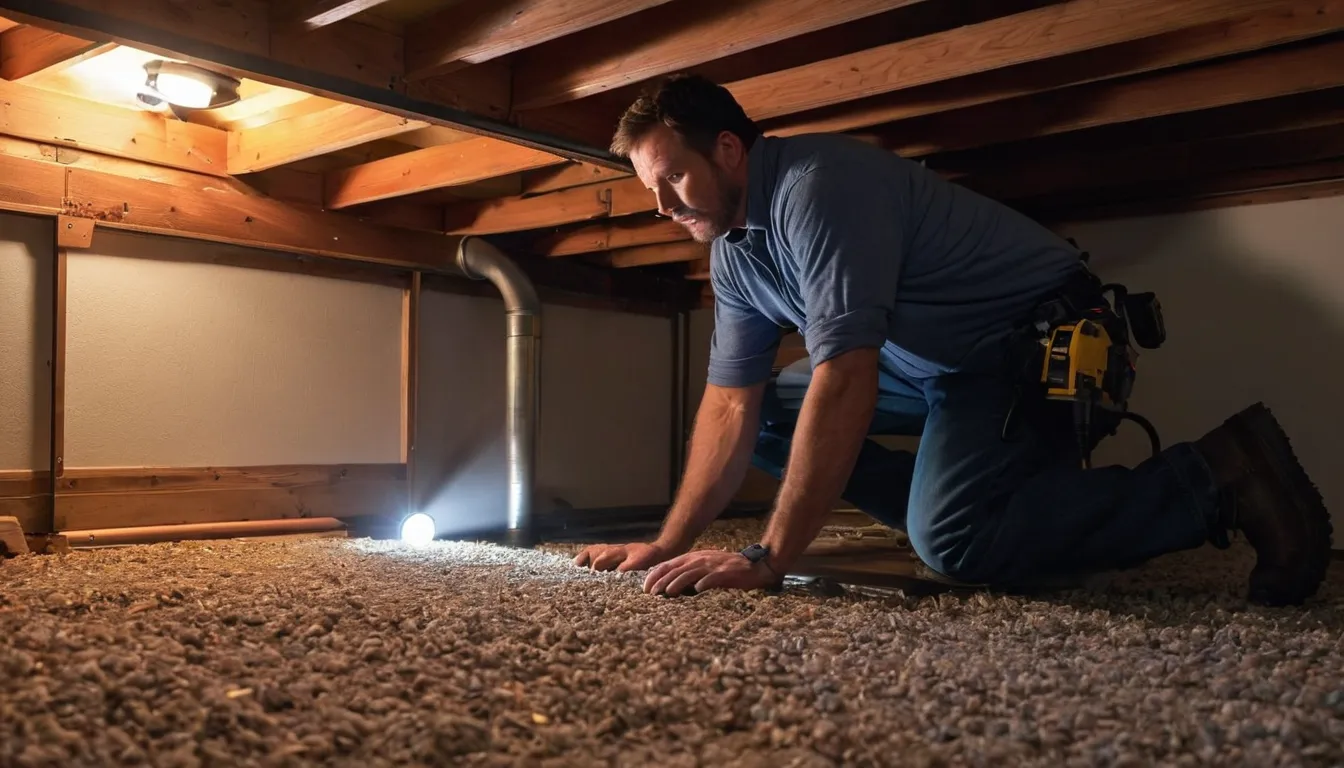
In homes with crawl space ducts, damp ducts can push stale air into the rooms each time the blower runs.
The provider asks what you noticed and when it started. They check the thermostat and power, then open the furnace and look at the burners, igniter, flame sensor, blower and controls. On gas furnaces, a careful provider checks for gas leaks and tests the venting. Many also inspect the heat exchanger for cracks. When they find the problem, they should explain it plainly and give you a written price before starting.
These wear out often. A dirty flame sensor is a common reason a furnace lights and then shuts off.
If the blower will not run or hums without spinning, the motor or its capacitor may be failing.
The board runs the startup steps. When it fails, the furnace may do nothing or act unpredictably.
These help vent exhaust safely. If either fails, the furnace will not light.
A cracked heat exchanger can leak carbon monoxide. It is a serious problem and often leads to a replacement conversation.
A repair usually makes sense when the furnace is under about 15 years old and the fix is a single part. Replacement is worth pricing if the furnace is around 15 to 20 years old, has a cracked heat exchanger or needs repairs every winter. If you are searching for furnace replacement near me, ask the provider to quote both options in writing so you can compare.
If you want to talk first, request a callback to check provider availability near you.
The provider checks for gas leaks, venting problems and carbon monoxide risks during the visit.
Burners, igniter, blower and controls are tested to find the real cause.
Parts and labor are listed in writing before any repair begins.
The provider explains whether a repair, a bigger fix or a replacement makes more sense for your furnace.
These are typical U.S. ranges. Real prices vary by furnace type, part and access. They are not quotes. Ask the provider for a written estimate before any work begins.
| Repair | Typical range | Notes |
|---|---|---|
| Diagnostic visit | $75 to $200 | Sometimes credited to repair |
| Flame sensor cleaning or replacement | $100 to $300 | Common cause of shutoffs |
| Igniter replacement | $150 to $450 | Wears out over time |
| Blower motor | $400 to $1,500 | Depends on motor type |
| Control board | $300 to $900 | Model specific part |
| Heat exchanger | $1,500 to $4,000 | Often compared with replacement |
Use the estimate form or phone line to share your ZIP code and what the furnace is doing.
An independent local provider contacts you and asks follow-up questions.
The provider tests the furnace and explains the cause plainly.
Review the written estimate and decide whether to move forward.
We explain gas and carbon monoxide steps first, so you know when to leave and when to wait.
Local providers in the Spokane area who repair the furnaces common in homes here.
You learn the repair and replacement options before agreeing to anything.
Compare quotes and decline any estimate you are not comfortable with.
Tell us what your furnace or AC is doing. We pass your request to a local provider, who can talk through the options and give you a written estimate.
No obligationA dirty flame sensor is a common cause. A clogged filter, a blocked vent or a failing pressure switch can do it too. Replace the filter first. If it keeps happening, have a provider inspect it.
No. A crack can let carbon monoxide into the home. Turn the furnace off, make sure your CO alarms work and have a provider confirm the problem.
Many gas furnaces last around 15 to 20 years with regular care. Age alone is not a reason to replace, but frequent repairs on an older unit add up.
Tell us what your furnace or AC is doing. We pass your request to a local provider, who can talk through the options and give you a written estimate.
No obligation